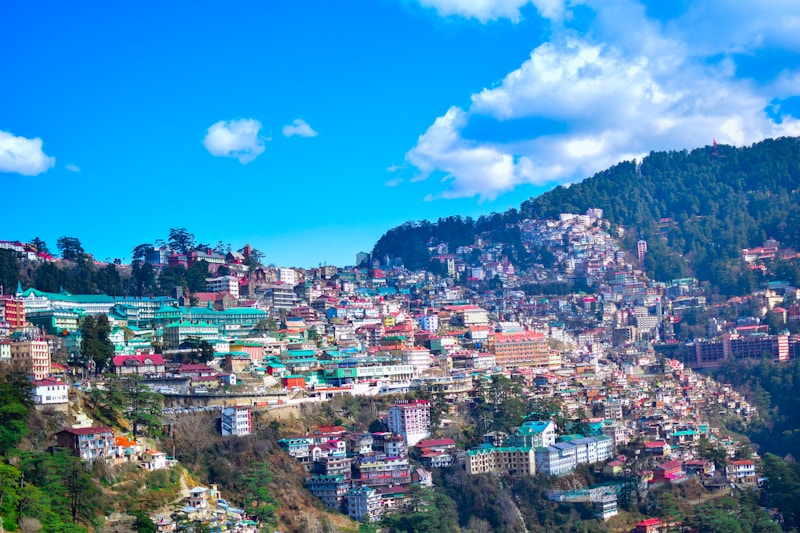
Ancient Forts & Castles
Himachal's landscape is dotted with medieval forts and castles that carry centuries of history. Naggar Castle was built in 1460 AD using a fusion of Himalayan and Western architectural styles. The Kangra Fort, established by the Katoch dynasty, is mentioned in the Mahabharata.
Naggar Castle
Built 1460 AD, Himalayan-Western fusion architecture overlooking Kullu Valley.
Kuthar Fort
800-year-old fort surrounded by freshwater springs in Solan district.
Kangra Fort
Katoch dynasty fort, one of the oldest in the Himalayas, mentioned in Mahabharata.
Hadimba Temple
Prehistoric cave temple in Manali's cedar forest, built in 1553 AD.
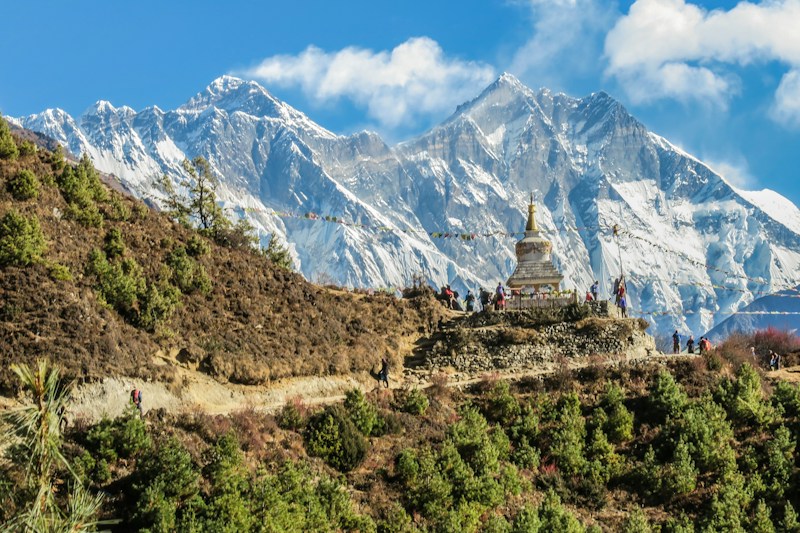
500+ Temples & Monasteries
From the Jakhu Temple atop Shimla's hills to the Key Monastery perched at 4,166m in Spiti, Himachal's spiritual landscape is unmatched. The Namgyal Monastery in McLeod Ganj serves as the personal monastery of the Dalai Lama.
Jakhu Temple
Atop Jakhu Hill, Shimla — linked to Lord Hanuman's legendary journey.
Namgyal Monastery
McLeod Ganj — the Dalai Lama's personal monastery.
Key Monastery
Spiti Valley at 4,166m — Tibetan Buddhist heritage site.
Manikaran Gurudwara
Sacred to Sikhs and Hindus, famous for natural hot springs.
Palpung Sherabling
Bir — sanctuary for Buddhist studies and cultural immersion.
Hatu Mata Temple
Atop Hatu Peak, Narkanda — panoramic Himalayan views.
Art, Music & Dance
The enchanting landscapes inspire local artisans, musicians, and dancers. Himachali folk music has featured in Bollywood. Dance forms like Nati, Kinnaur, and Dangi reflect the unique spirit of this land.
Nati Dance
Traditional group dance at festivals
Ainchaliyan
Pre-wedding folk songs
Karak
Drums & cymbals, spiritual devotion
Pahari Paintings
Kangra & Basohli miniature art
Kullu Shawls
Hand-woven woollen shawls
Jhoori
Romantic folk songs of the valleys